





As Nigeria approaches another pivotal electoral cycle in 2027, citizens are confronted with a profound question: should the country stay the course, or should it demand a new direction?
Elections are not merely routine political exercises; they are moments of national reckoning. They offer voters an opportunity to assess performance, measure promises against outcomes, and decide whether leadership has delivered meaningful progress.
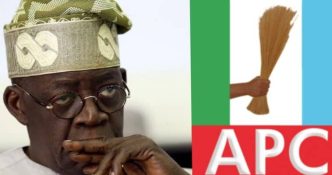
For many Nigerians, the prospect of re-electing President Bola Ahmed Tinubu would represent not continuity of progress, but reinforcement of failure.
Economic Hardship and Inflation
One of the most pressing concerns under the current administration has been the worsening economic climate. The removal of fuel subsidies and exchange rate reforms were presented as necessary, even bold, decisions aimed at long-term recovery. However, the immediate and prolonged consequences have been severe. Inflation has surged, the naira has weakened dramatically, and the cost of basic goods and services has placed unbearable pressure on households.
While reform often carries short-term pain, leadership must also provide credible mitigation strategies. Many Nigerians argue that sufficient safety nets were not effectively implemented, leaving millions vulnerable. A second term without clear evidence of economic stabilization risks deepening hardship rather than alleviating it.
Rising Poverty and Inequality
Economic indicators alone do not capture the lived experiences of ordinary citizens. Small and medium businesses have struggled with higher operational costs, while many have shutdown completely. Youth unemployment remains a major challenge, and food insecurity has intensified in many regions. If governance is measured by its impact on the most vulnerable, then the verdict for many communities is troubling.
Voting to maintain the status quo without substantial correction could signal tolerance for a system that has yet to deliver inclusive growth.
Security Challenges
Security remains another defining issue. From banditry and kidnappings to insurgency and communal clashes, insecurity continues to undermine confidence in the state’s ability to protect lives and property. Although security crises predate this administration, voters often evaluate incumbents on their effectiveness in improving — not merely inheriting — difficult conditions.
If insecurity persists at alarming levels, calls for renewed leadership are not merely political; they reflect citizens’ fundamental desire for safety.
Governance and Accountability
A democratic mandate is built on trust. That trust is strengthened when governments communicate transparently, consult widely, and demonstrate responsiveness to public concerns. Critics argue that economic reforms were implemented with insufficient consultation and that governance has appeared distant from the struggles of ordinary Nigerians.
Re-electing an administration without visible improvements in transparency, accountability, and citizen engagement risks normalizing governance that feels disconnected from the electorate.
The Power of Democratic Accountability
Democracy thrives when elections serve as instruments of accountability. A vote is both an endorsement and a judgment. If performance is widely perceived as inadequate, renewal at the ballot box becomes a corrective mechanism.
Supporting continuity in the absence of demonstrable progress may weaken the very principle of accountability that underpins democratic systems.
The 2027 election will not merely be about personalities; it will be about performance. It will ask whether Nigerians believe the current trajectory leads toward recovery and prosperity — or whether it entrenches economic hardship, insecurity, and institutional weakness.
Voting is ultimately an act of hope. It expresses faith in leadership and confidence in a better future. If citizens conclude that current conditions reflect unmet promises and unfulfilled potential, then reinforcing that leadership could be seen not as stability, but as acceptance of stagnation.
In 2027, Nigerians will have the opportunity to decide whether to reward outcomes they deem insufficient or to chart a new course. The choice will shape not only the next four years beginning from 2027, but the long-term trajectory of Africa’s most populous nation.
- Dozie Nwankodu is an advocate for good governance, and a public affairs analysts. He was the National Coordinator of the Bola Ahmed Tinubu Grassroots Volunteers (BAT-GV). He lives in Lagos, Nigeria. You can reach him on 07046649064, or dozzyreview@gmail.com
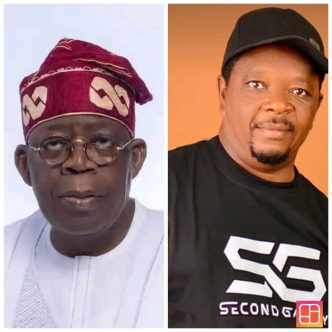
Dozie, you’re just a political jobber who has tried everything possible to get access to “government money” but has failed. I know how you tried so hard to get money from Tinubu but you were unsuccessful.
Get an actual job man!
Dozie, you’re just a political jobber who has tried everything possible to get access to “government money” but has failed. I know how you tried so hard to get money from Tinubu but you were unsuccessful.
Get an actual job man!