




By Global Reporters Health Desk
As people enter the age of 40, paying closer attention to what they eat becomes increasingly important for maintaining good health, preserving physical strength and reducing the risk of certain chronic diseases.
Although turning 40 does not automatically mean that a person will develop health problems, it is an important stage of life to reassess eating habits, physical activity, sleep patterns and other lifestyle choices that influence long-term well-being.
Health conditions such as high blood pressure, type 2 diabetes, cardiovascular disease and obesity are influenced by several factors, including genetics, physical inactivity and dietary habits. A balanced diet rich in vegetables, fruits, whole grains, legumes and healthy sources of protein can help support the body’s nutritional needs and contribute to healthier ageing.
The World Health Organisation (WHO) emphasises the importance of dietary diversity, moderation and balance, recommending that people consume a variety of minimally processed foods while limiting excessive salt, free sugars and unhealthy fats.
Similarly, research and dietary guidance from Harvard’s T.H. Chan School of Public Health and the American Heart Association highlight the benefits of eating more plant-based foods, choosing healthier protein sources and reducing the consumption of highly processed foods.
For adults aged 40 and above, the goal should not be to follow expensive diets or depend on nutritional supplements. Rather, it should be to make nutritious foods a regular part of everyday meals.
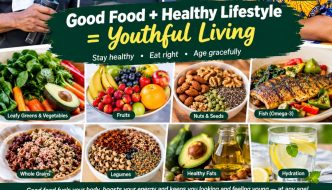
Here are five important food groups that adults from 40 should prioritise to support their health and well-being.
1. Green Leafy Vegetables and Other Colourful Vegetables
Vegetables are among the most important components of a healthy diet, particularly for people seeking to maintain good health as they grow older.
Green leafy vegetables such as ugu, spinach, ewedu, waterleaf and bitter leaf provide varying amounts of vitamins, minerals, dietary fibre and other beneficial plant compounds. Other vegetables, including carrots, tomatoes, cabbage, okra and garden eggs, also contribute valuable nutrients.
One of the major benefits of vegetables is their fibre content. Dietary fibre supports digestive health, helps prevent constipation and can contribute to better blood sugar and cholesterol management as part of a balanced diet.
Vegetables also supply important micronutrients. Depending on the variety, they may provide folate, vitamin C, vitamin K, potassium and carotenoids, which help support different functions in the body.
For adults, 40 and above, these nutrients are valuable because maintaining cardiovascular health, healthy digestion and adequate nutrient intake becomes increasingly important throughout midlife and later adulthood.
Eating a variety of vegetables also helps people obtain a broader range of nutrients rather than relying on a single food.
How to include vegetables in everyday meals
Nigerians can incorporate vegetables into their diets without necessarily spending heavily. Ugu, ewedu, okra, waterleaf, cabbage and carrots are familiar options that can be used in different meals.
Vegetables can be added to soups, stews, beans, omelettes and other dishes. They can also be served alongside rice, yam, plantain or other staple foods.
However, the nutritional benefits of vegetables may be undermined when meals contain excessive salt, seasoning products high in sodium, or large quantities of oil. Vegetables should therefore be prepared in ways that preserve their nutritional value while keeping added salt and unhealthy fats under control.
The WHO recommends that people older than 10 years aim for at least 400 grams of fruits and vegetables combined daily. This is a useful general target, although individual needs may vary.
2. Fresh Fruits
Fruits are another important food group for adults who want to maintain good health from the age of 40.
Oranges, pawpaw, guava, watermelon, pineapple, apples, bananas and mangoes provide different combinations of vitamins, minerals, water, dietary fibre and beneficial plant compounds.
For example, oranges and guavas are good sources of vitamin C, which supports normal immune function and helps the body absorb iron from plant foods. Pawpaw provides vitamin C and other nutrients, while many fruits supply potassium and fibre in varying amounts.
Fibre-rich fruits can support bowel regularity and help people feel satisfied after eating. Whole fruits can also serve as healthier alternatives to many confectioneries, biscuits and other snacks containing substantial amounts of added sugar.
For adults from 40, replacing some sugary snacks with whole fruits may help improve overall dietary quality and make it easier to manage calorie intake.
However, fruits should not be regarded as medicines or as guaranteed protection against diseases. Their benefits come from being part of a balanced eating pattern.
Which fruits should people from 40 eat?
There is no single fruit that everyone must eat. The better approach is to consume different fruits regularly, depending on availability, affordability, personal preference and any medical dietary restrictions.
For example, a person may eat an orange in the morning, enjoy pawpaw as a snack and choose watermelon or guava at another time of the day.
Eating whole fruits is generally preferable to drinking fruit juice because whole fruits retain their natural fibre. Even fruit juice without added sugar can deliver substantial amounts of free sugars and is usually less filling than eating the fruit itself.
People with diabetes do not necessarily need to avoid fruits. They should pay attention to portion sizes, overall carbohydrate intake and their individual treatment plan.
The important message is to make whole fruits a regular part of the diet rather than depending on them occasionally or using them as a substitute for balanced meals.
3. Beans and Other Legumes
Beans are among the most valuable and affordable sources of nutrition available to Nigerian households.
Cowpeas, black-eyed beans, brown beans, lentils, chickpeas and other legumes provide plant-based protein, dietary fibre, complex carbohydrates and several important micronutrients.
Protein is essential for maintaining muscles and repairing body tissues. As people grow older, preserving muscle strength becomes increasingly important, particularly when combined with regular physical activity.
Beans can help meet protein requirements while also supplying fibre, which supports digestion and may help improve cholesterol and blood sugar management.
Legumes are particularly useful because they provide both protein and carbohydrates, allowing them to serve as a substantial part of a balanced meal.
Their fibre content can also contribute to fullness, which may help with weight management when overall food intake is appropriate.
For adults who regularly consume large quantities of meat, adding beans and other legumes to their meals can increase dietary variety and provide a useful alternative to some animal-based protein sources.
Affordable Nigerian meals that provide these benefits
Beans can be prepared as ordinary boiled beans, bean porridge, moi-moi or akara. However, the way these meals are prepared matters.
Boiled beans and bean porridge prepared with moderate amounts of oil can be nutritious everyday options. Moi-moi can also be a useful protein-rich meal, particularly when prepared with a reasonable amount of salt and oil.
Akara provides nutrients from beans, but deep-frying increases its fat and calorie content. It may therefore be helpful to alternate it with boiled beans or other preparations that require less oil.
Beans can also be combined with vegetables to improve the nutritional variety of a meal.
People who experience bloating after eating beans may find that soaking them, discarding the soaking water and cooking them thoroughly improves tolerance.
For people from 40, looking for nutritious foods that are readily available and relatively affordable, beans deserve a regular place on the menu.
4. Whole Grains and Other High-Fibre Staple Foods
Carbohydrates remain an important source of energy for the body, including for adults. The issue is not that all carbohydrates are unhealthy, but that the type, quantity and preparation of carbohydrate-rich foods matter.
Whole grains and less-refined staples can provide dietary fibre, vitamins, minerals and energy. Examples include oats, whole-wheat products, millet, sorghum, brown rice and less-refined maize products.
Dietary fibre supports digestive health and can contribute to better cholesterol management. Choosing higher-fibre carbohydrate sources may also help moderate the rise in blood sugar after meals, depending on the food, portion size and what it is eaten with.
For adults concerned about diabetes, excess weight or cardiovascular health, replacing some refined grains with whole grains is a practical dietary adjustment.
However, people should not assume that they must completely eliminate familiar Nigerian staples such as rice, yam, cassava or plantain. These foods can still form part of a healthy diet when portions are appropriate and meals are balanced with vegetables and protein.
Practical choices for Nigerian households
Oats can be eaten as breakfast, while millet and sorghum can be used in traditional meals and porridges. Whole-wheat bread may replace some refined white bread, and brown rice can be used in place of white rice when affordable and preferred.
People who eat white rice can still improve their meals by reducing oversized portions and adding vegetables, beans, fish or other suitable protein sources.
The same principle applies to yam, garri, fufu and other traditional staples. Rather than relying on a large portion of a carbohydrate-rich food with little else, adults can aim for a more balanced plate containing vegetables and a source of protein.
For example, a meal of a moderate portion of rice with beans, fish and vegetables offers a broader range of nutrients than a meal consisting mainly of rice.
It is also important to distinguish whole grains from products marketed as healthy but containing large amounts of added sugar, salt or refined flour.
The aim is to select more fibre-rich, minimally processed foods while maintaining a varied diet that provides sufficient energy for daily activities.
5. Healthy Protein Sources and Foods Rich in Beneficial Fats
The fifth important category includes fish, eggs, nuts, seeds, avocados and other foods that provide protein or healthier types of fat.
These foods perform different nutritional functions, but they can complement one another in a balanced diet.
Fish
Fish provides protein, while oily varieties such as sardines, mackerel and salmon also supply omega-3 fatty acids.
Omega-3 fatty acids are important components of cell membranes and play roles in normal body functions. Regularly eating fish as part of a balanced diet is consistent with heart-healthy dietary recommendations.
In Nigeria, affordable options may include sardines, mackerel, tilapia and other locally available fish, depending on price and availability.
Grilled, steamed, baked or lightly stewed fish can be useful alternatives to fish that is heavily salted or deep-fried.
Eggs
Eggs provide high-quality protein and several nutrients, including vitamin B12 and choline. They can be a convenient option for breakfast or as part of a balanced meal.
For most healthy adults, eggs can fit into a varied diet. However, people with particular medical conditions or specific dietary instructions should follow advice tailored to their circumstances.
Nuts and seeds
Groundnuts, walnuts, almonds, sesame seeds and other nuts and seeds supply varying amounts of protein, fibre, minerals and unsaturated fats.
Unsaturated fats can be beneficial when they replace less healthy fats in the diet. A small handful of unsalted nuts can also make a nutritious snack.
Groundnuts are particularly accessible in Nigeria, but they are calorie-dense, so moderate portions are sensible. People with peanut or other nut allergies should avoid the relevant foods.
Avocados
Avocados contain monounsaturated fats and fibre, along with several micronutrients. They can be included in meals as part of a varied diet.
The key is not to consume all these foods in excessive quantities or assume that eating one of them guarantees protection against heart disease. Rather, adults from 40 should rotate appropriate protein sources and choose beneficial fats more often in place of foods high in saturated or trans fats.
For example, replacing some processed meat with beans or fish, or using a modest amount of groundnuts instead of frequently eating sugary snacks, can improve the overall quality of the diet.
Other Important Habits for People From 40
Although these five food groups can contribute to healthier ageing, no food can guarantee that a person will remain free from disease.
The overall pattern of eating, physical activity, sleep, body weight, genetics and access to healthcare all influence long-term health.
Adults from 40 should also consider the following measures:
1. Reduce excessive salt intake. Too much sodium can contribute to high blood pressure. Reduce the use of salt and high-sodium seasoning products, and limit heavily salted and processed foods.
2. Limit sugary drinks and excessive added sugar. Frequent consumption of sugar-sweetened beverages can contribute to excess calorie intake, weight gain and poorer blood sugar control.
3. Drink enough water. Adequate fluid intake supports normal bodily functions. Individual needs vary according to climate, activity level and medical conditions. People who have been advised to restrict fluids should follow their clinician’s instructions.
4. Stay physically active. Regular exercise, including walking and appropriate strength-building activities, helps support cardiovascular health, mobility and muscle strength. Adults should choose activities suited to their abilities and medical circumstances.
5. Get adequate sleep. Consistent, sufficient sleep supports general well-being and can help with the management of factors associated with metabolic and cardiovascular health.
6. Attend routine health checks. Blood pressure, blood sugar, cholesterol and other health assessments can help identify problems before symptoms become obvious. The appropriate frequency of screening depends on individual risk factors and medical advice.
7. Avoid smoking and do not start drinking alcohol for health benefits. Alcohol is not necessary for good health, and smoking carries substantial health risks.
Can These Foods Prevent Diseases Associated With Ageing?
A nutritious diet can help reduce certain health risks, but it is important to avoid exaggerating what individual foods can do.
Vegetables, fruits, beans, whole grains, fish, nuts and other nutritious foods can contribute to a dietary pattern associated with better cardiovascular and metabolic health. They also help supply nutrients needed for normal bodily functions.
Nevertheless, eating these foods does not guarantee that a person will avoid diabetes, hypertension, cancer or other diseases. Such conditions can develop for several reasons, including factors that cannot be controlled through diet alone.
People who already have diabetes, kidney disease, heart disease or other medical conditions may need adjustments to their diets. For instance, some individuals with kidney disease may need to manage their intake of potassium, phosphorus, protein or fluids under professional guidance.
Anyone experiencing unexplained weight loss, persistent fatigue, unusual thirst, frequent urination, chest pain or other concerning symptoms should seek appropriate medical assessment rather than attempting to manage the problem through food alone.
Nutritional supplements should also not be used as substitutes for a balanced diet unless there is a specific need identified by a qualified healthcare professional.
*A Simple Daily Eating Guide for Adults From 40*
Healthy eating does not have to be complicated or expensive. The following example illustrates how the five food groups can be incorporated into an ordinary Nigerian diet.
– Breakfast: Oats with a modest portion of fruit, or whole-wheat bread with eggs and vegetables.
– Lunch: Rice with beans, fish and a generous serving of vegetables.
– Afternoon snack: Pawpaw, an orange, guava or a small handful of unsalted groundnuts.
– Dinner: A moderate portion of a traditional staple such as yam or a suitable swallow, accompanied by vegetable-rich soup and fish, beans or another appropriate protein source.
– Throughout the day: Drink water regularly and adjust food portions to your energy needs, activity level and health circumstances.
This is an illustrative guide, not a rigid prescription. People can substitute locally available foods according to their budgets, preferences, allergies and medical requirements.
Turning 40 should be an opportunity to become more intentional about health, not a reason to fear ageing.
Making vegetables, fruits, beans, whole grains, fish and other nutritious protein and fat sources regular parts of everyday meals can help adults maintain a healthier dietary pattern as they grow older.
The most important principle is consistency. Eating nutritious foods occasionally is less valuable than developing sustainable habits that can be maintained for years.
For Nigerians from 40, healthy eating does not necessarily mean buying imported health products, following restrictive diets or abandoning traditional meals. It means making sensible choices with available foods, controlling excessive salt, sugar and unhealthy fats, remaining physically active and seeking appropriate medical care.
Ultimately, healthy ageing is not about finding one miracle food. It is about consistently nourishing the body, maintaining healthy habits and taking preventive healthcare seriously.
Sources: World Health Organization (WHO), Healthy Diet; Harvard T.H. Chan School of Public Health, The Nutrition Source; American Heart Association, Dietary Guidance to Improve Cardiovascular Health.