



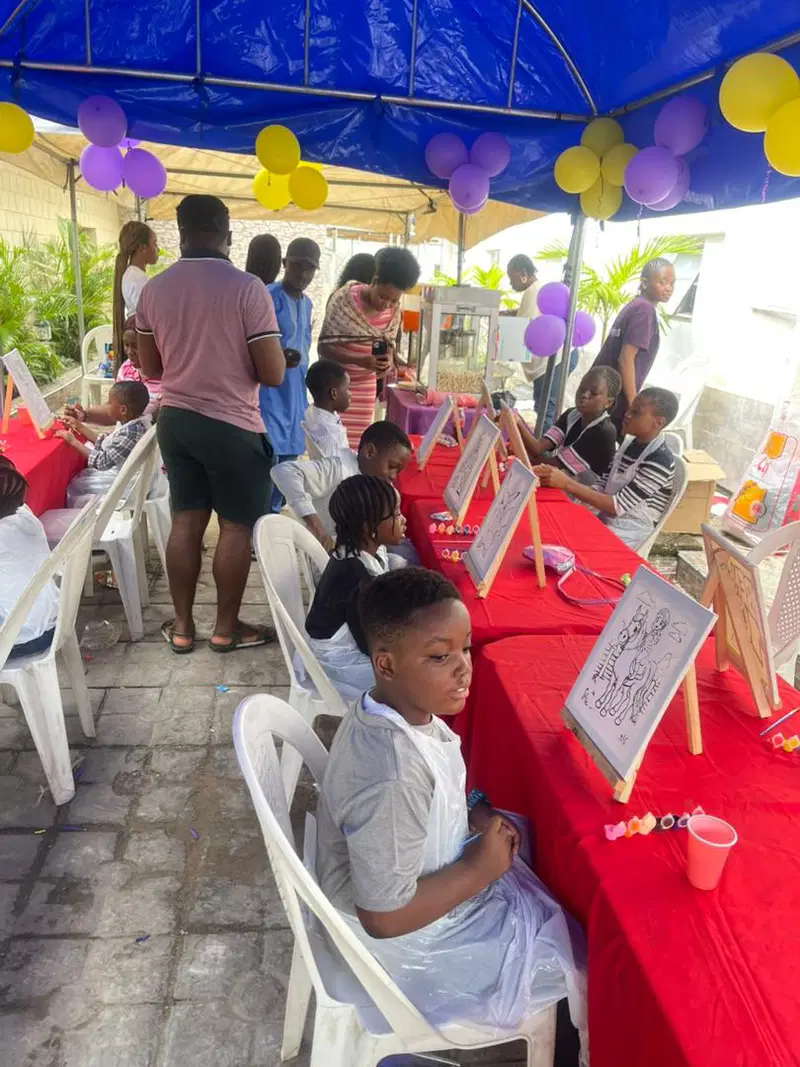
Nigeria’s greatest natural resource is not crude oil, gold, or vast agricultural land. It is the millions of children growing up in homes, villages, towns, and cities across the country.
Within these young minds lie the ideas, innovations, and leadership that will shape our nation’s future. Yet many of these gifts remain undiscovered or are lost because they are neither recognised nor nurtured early enough.
Every child is born with unique abilities. Some have exceptional analytical minds, others possess artistic creativity, athletic talent, leadership qualities, entrepreneurial instincts, or extraordinary compassion. These gifts are not accidents of birth; they are opportunities that, if identified early and developed intentionally, can transform not only individual lives but also the fortunes of our nation.
The journey to excellence begins long before adulthood. It begins in the home, where parents first observe a child’s interests, encourage curiosity, and lay the foundation for lifelong learning.
Looking Beyond Report Cards
In many Nigerian homes, success is often defined by examination scores and a narrow range of professions. Parents proudly dream of raising doctors, lawyers, engineers, accountants, or pharmacists. These are honourable aspirations, but they should not become rigid expectations that overshadow a child’s natural abilities.
Academic excellence is important, but it is not the only path to success. Nigeria needs innovators, software developers, scientists, artists, architects, skilled artisans, writers, filmmakers, athletes, researchers, entrepreneurs, and ethical leaders. Our economy will grow stronger when we value and develop diverse talents rather than expecting every child to follow the same career path.
A child whose gift lies outside conventional academic achievement should not be regarded as less capable. True education helps children discover their strengths and equips them to use those strengths to solve problems and create value.
The Importance of Early Discovery
Childhood is the period when talents first begin to reveal themselves. Children communicate their interests through the games they play, the questions they ask, the activities they enjoy, and the problems they naturally seek to solve.
The child who enjoys taking apart household gadgets may be demonstrating the curiosity of an engineer. The one who constantly writes stories or keeps a journal may become a gifted author or journalist. A child who naturally brings friends together and resolves conflicts may possess remarkable leadership potential. Another who spends hours drawing or designing may one day become an architect or creative entrepreneur.
These early signs should never be dismissed as mere childish habits. They are often the first indicators of a child’s future direction.
Parents who observe carefully, listen attentively, and encourage exploration are better positioned to help their children build meaningful and fulfilling lives.
Parents as Builders of Potential
Parents are not only caregivers; they are discoverers of talent and builders of confidence. Their words, attitudes, and expectations profoundly shape how children see themselves.
Children flourish when they are encouraged to ask questions, think independently, solve problems, and express themselves without fear of ridicule. They become resilient when mistakes are treated as opportunities to learn rather than reasons for harsh criticism.
Supporting a child’s development does not always require great wealth. Reading together, visiting libraries, encouraging creative play, exposing children to positive role models, enrolling them in community programmes, and simply spending quality time talking with them can make a lasting difference.
The greatest investment many parents can make is not buying expensive possessions but investing time, attention, encouragement, and guidance.
Schools Must Develop the Whole Child
Education should go beyond preparing children to pass examinations. Schools should provide opportunities for creativity, innovation, sports, music, debating, coding, technical skills, leadership, entrepreneurship, and community service.
When children are exposed to a variety of experiences, they are more likely to discover abilities that traditional classroom instruction alone may not reveal.
Teachers also play a critical role. A teacher’s encouragement can ignite confidence in a child who has never recognised their own potential. Many successful individuals trace their achievements to one educator who believed in them when others did not.
Ending the Culture of Comparison
One of the greatest obstacles to healthy child development is comparison. Every child develops differently, and every child possesses unique strengths.
Comparing siblings or measuring children solely against their classmates often creates anxiety and discouragement. Instead, parents should focus on helping each child improve from where they are, celebrating progress while providing patient guidance.
Success is not about becoming someone else. It is about becoming the best version of oneself.
Building a Nation Through Its Children
Nigeria’s aspiration for sustainable development depends largely on how well it nurtures today’s children. A nation that invests in quality education, innovation, mentorship, vocational training, sports, science, technology, and the creative industries is investing in its own prosperity.
Governments, schools, religious institutions, community organisations, and the private sector all have roles to play.
Mentorship programmes, talent competitions, innovation hubs, scholarships, arts initiatives, and youth development projects should not be viewed as luxuries but as strategic investments in national progress.
When children are empowered to discover and develop their abilities, they grow into adults who create jobs, solve problems, strengthen institutions, and inspire others.
The future President, Nobel laureate, entrepreneur, inventor, artist, physician, teacher, and community leader may already be sitting in a classroom somewhere in Nigeria today. Whether those dreams become reality depends largely on whether the adults around them choose to recognise and nurture their gifts.
Excellence is rarely the product of chance. It is the result of intentional discovery, patient guidance, consistent encouragement, and opportunities to grow.
If we desire a stronger, more prosperous Nigeria, we must begin by investing in the potential of every child.
The seeds of greatness are planted early. Our responsibility is to nurture them with wisdom, love, and purpose until they bear fruit—not only for the children themselves but for generations to come.
Anne Nwankodu (Mrs) is a Fellow at the Pacific Early Age And Learning (PEARL). She is also the Education Editor of Global Reporters.
Email: annenwankodu100@gmail.com




This is absolutely beautiful ❤️, Thanks to global reporters.